
Balance Testing Can Help Prevent Falls in Older Adults
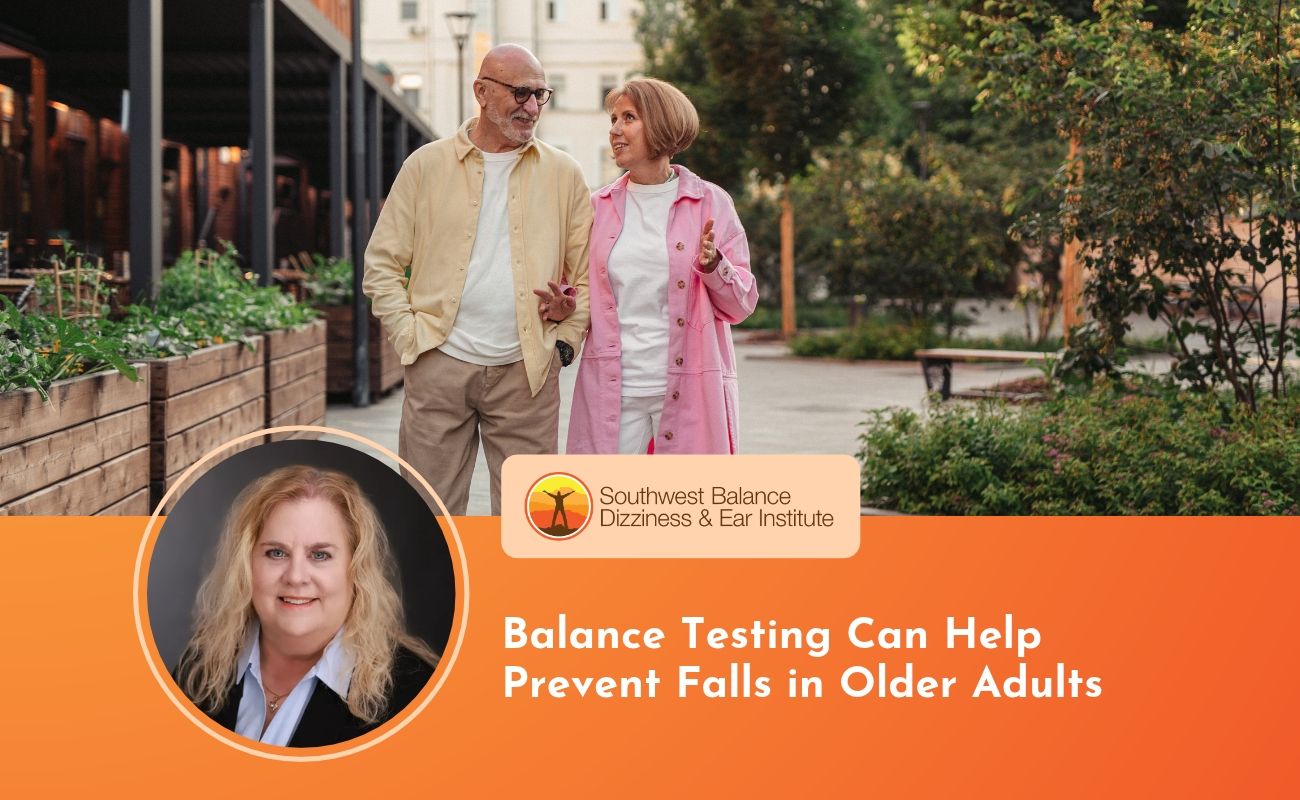
A fall can change everything. One bad step off a curb, one moment of unsteadiness on the stairs, and an older adult's independence takes a hit that's hard to get back. Falls are the leading cause of injury-related death among Americans over 65, and in a lot of those cases, the root cause traces back to something that never got checked: the inner ear.
Your Balance System Does More Than You'd Think
Most people assume falls happen because of weak muscles or poor eyesight. Sometimes that's true. But the vestibular system, tucked inside the inner ear, is constantly feeding your brain information about where your body is in space. When that system starts to falter, even slightly, the signals get scrambled. You might not feel dizzy. You might just feel a little "off," a little less confident on your feet.
That's the tricky part. A standard checkup with a primary care doctor rarely catches this. Blood pressure gets checked. Reflexes get tapped. But the vestibular system? It usually goes untested unless someone specifically asks for it.
Why a Basic Hearing and Balance Screen Isn't Enough
Videonystagmography, or VNG, has long been the standard test for vestibular problems. It's useful, but it only tells part of the story. Research shows that VNG alone can miss up to 68% of patients with a genuine vestibular disorder. That's a lot of people walking away with a clean bill of health when something is actually wrong.
At Southwest Balance, Dizziness & Ear Institute, we run a full vestibular diagnostic battery instead of relying on one test. This approach gets us to 95% diagnostic sensitivity, compared to the 32% detection rate of VNG on its own. We're looking at all 10 peripheral vestibular end organs, testing them under both static and dynamic conditions, and assessing things a routine screen simply doesn't cover, like otolith function and the vestibulo-ocular reflex.
Here's why that matters for fall prevention specifically. A person might pass a basic balance screen with flying colors and still be at serious risk for a fall next month. Comprehensive testing identifies the specific weak points before they turn into a hospital visit.
What This Means for Treatment
Finding the problem is only step one. Once we know exactly which part of the vestibular system is underperforming, we can build a treatment plan around that patient's actual thresholds, not a generic exercise sheet handed to everyone who walks through the door.
Our Advanced Vestibular Treatment® program is built this way. It combines physical exercises with optokinetic stimulation, addressing both the visual and somatosensory sides of balance that need to work together for the brain to compensate properly. Patients who complete six weeks of AVT report improvement 93% of the time, and many reach normative results altogether. Compare that to traditional vestibular rehab methods, which land somewhere in the 50 to 70% efficacy range, leaving a third to half of patients without meaningful gains.
For an older adult, that difference isn't academic. It's the difference between confidently walking to the mailbox and avoiding stairs out of fear.
Signs It Might Be Time for a Balance Evaluation
Not every wobble means disaster is coming. But a few patterns are worth paying attention to:
- Feeling unsteady when turning your head or getting out of bed
- Needing to hold onto furniture or walls more than you used to
- A near-fall or actual fall in the past year
- Dizziness that comes and goes without an obvious trigger
- Avoiding activities you used to enjoy because you're worried about balance
Adult children often notice these changes before their parents mention them. If any of this sounds familiar, that's reason enough to get checked.
Schedule a Balance Evaluation in Phoenix
We built Southwest Balance, Dizziness & Ear Institute around one focus: diagnosing and treating balance and dizziness disorders with the depth they deserve. Our team, led by Dr. Dana Day and Dr. Susan Schmidt, has decades of combined experience helping patients get answers that standard testing misses.
If you or someone you love has had a fall, a near-fall, or just doesn't feel steady the way they used to, don't wait for it to get worse. Give us a call at (602) 265-9000 and let's find out what's really going on before it costs you your independence.

Request an appointment below.
Get in Touch
Conveniently located near the intersection of 7th Street and Indian School Road.

Southwest Balance, Dizziness & Ear Institute (formerly Arizona Balance & Hearing Aids)
4004 N 7th St.Phoenix, AZ 85014