
The Key Differences Between Vertigo and Dizziness
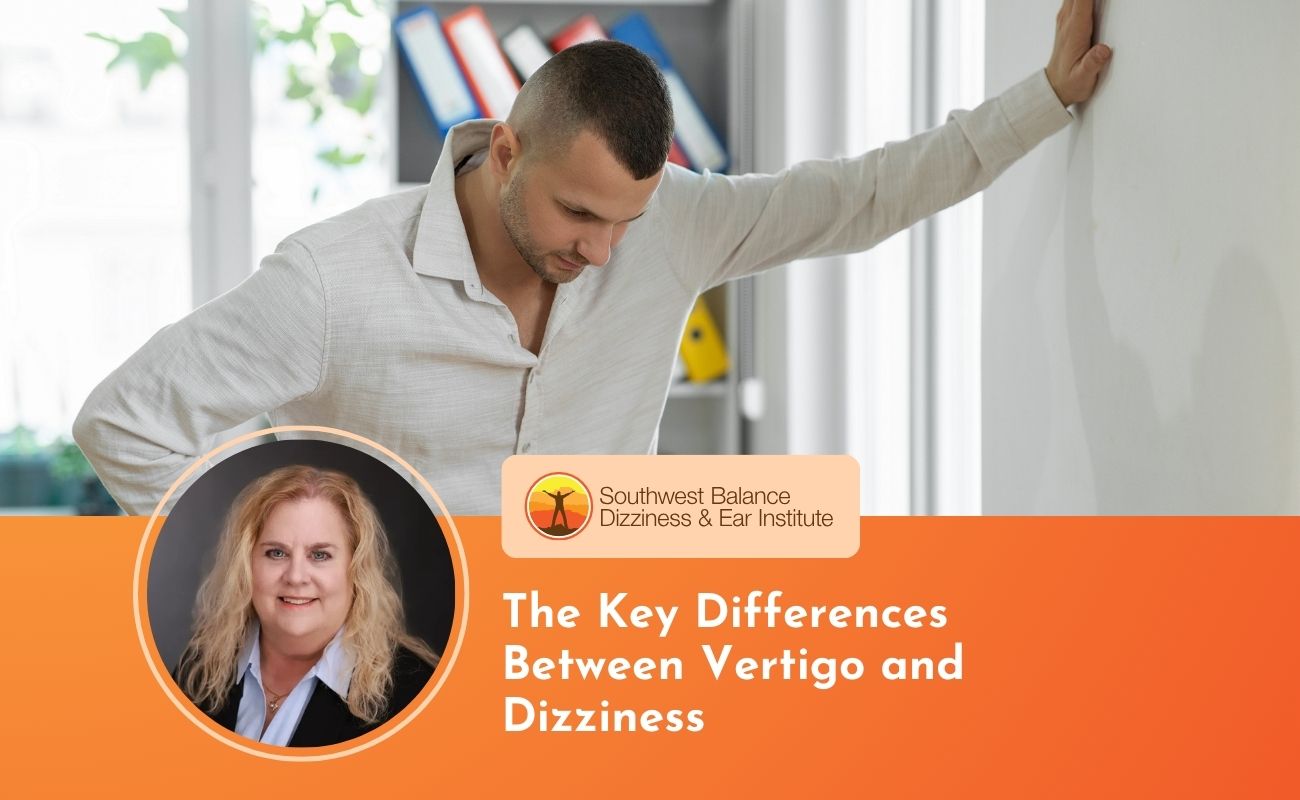
Vertigo and dizziness are not the same condition. While both affect your sense of balance and can significantly impact daily life, vertigo involves a specific spinning sensation, whereas dizziness encompasses a broader range of symptoms including lightheadedness and unsteadiness. Understanding these differences is essential for proper diagnosis and treatment.
At Southwest Balance, Dizziness & Ear Institute, we specialize in diagnosing and treating both conditions using comprehensive vestibular testing that goes far beyond standard evaluations. Our approach helps identify the root cause of your symptoms so we can develop an effective treatment plan tailored to your specific needs.
What Is Vertigo?
Vertigo creates a false sensation that you or your surroundings are spinning or moving when everything is actually stationary. This isn't simply feeling off-balance – it's a distinct spinning sensation that can be intense and disruptive. Many of our patients describe vertigo as feeling like they're on a merry-go-round that won't stop.
The spinning sensation typically occurs due to problems within your inner ear's vestibular system, which contains specialized organs that detect head movement and help maintain balance. When these organs send mixed signals to your brain about your body's position, vertigo develops.
Vertigo episodes can last anywhere from minutes to hours and may be accompanied by nausea, vomiting, sweating, and difficulty walking. The intensity varies significantly – some people experience mild spinning sensations, while others find the symptoms so severe they cannot function normally.
Understanding Dizziness
Dizziness serves as an umbrella term for various sensations that affect your sense of balance and spatial orientation. Unlike vertigo's specific spinning sensation, dizziness can manifest as lightheadedness, feeling faint, unsteadiness, or a floating sensation.
Dizziness rarely involves the spinning sensation characteristic of vertigo. Instead, people with dizziness often describe feeling like they might pass out, experiencing a heavy head, or sensing that they're walking on an uneven surface even when the ground is level.
The causes of general dizziness extend beyond inner ear problems and can include blood pressure changes, medication side effects, dehydration, anxiety, or cardiovascular issues. This broader range of potential causes makes proper evaluation particularly important for your recovery.
Key Symptoms That Distinguish Vertigo from Dizziness
Vertigo Symptoms:
- Distinct spinning sensation affecting you or your environment
- Nausea and vomiting during episodes
- Balance problems that worsen with head movement
- Nystagmus (involuntary eye movements) during attacks
- Hearing changes in some cases
- Episodes triggered by specific head positions or movements
Dizziness Symptoms:
- Lightheadedness or feeling faint
- Unsteadiness when walking or standing
- Heavy head sensation without spinning
- Floating or disconnected feeling
- Weakness or fatigue accompanying the sensation
- Symptoms that may improve when lying down
Common Causes of Vertigo
Benign Paroxysmal Positional Vertigo (BPPV) accounts for the majority of vertigo cases. This condition occurs when tiny calcium crystals in your inner ear become displaced, causing intense spinning sensations with specific head movements. BPPV episodes typically last less than a minute but can be quite frightening. The good news is that BPPV responds very well to treatment.
Vestibular neuritis involves inflammation of the vestibular nerve, usually caused by a viral infection. This condition creates prolonged vertigo episodes that can last hours or days, often accompanied by severe nausea and balance problems. With proper care, most people recover completely.
Meniere's disease affects the fluid balance in your inner ear, causing vertigo episodes along with hearing loss, tinnitus, and ear pressure. While these episodes can be unpredictable and may last several hours, effective management strategies can significantly reduce their impact on your life.
Labyrinthitis combines vertigo with hearing loss due to inflammation in both the vestibular and hearing portions of your inner ear. This condition often develops following a cold or flu but typically resolves with appropriate treatment.
Common Causes of Dizziness
Blood pressure fluctuations frequently cause dizziness, particularly when standing up quickly (orthostatic hypotension). This type of dizziness usually resolves within moments as your cardiovascular system adjusts.
Many medications list dizziness as a side effect, including blood pressure medications, antidepressants, sedatives, and some antibiotics. The interaction between multiple medications can also contribute to dizzy sensations. Often, simple medication adjustments can provide relief.
Dehydration reduces blood volume, making it harder for your cardiovascular system to maintain adequate blood flow to your brain. This often results in lightheadedness, particularly in hot weather or during illness. The solution can be as simple as increasing your fluid intake.
Anxiety and panic disorders can create dizziness through changes in breathing patterns and blood flow. This type of dizziness often occurs alongside other anxiety symptoms like rapid heartbeat and sweating. Addressing the underlying anxiety typically improves the dizziness as well.
Effective Treatment Approaches
Vertigo Treatment Options
BPPV responds exceptionally well to specific repositioning maneuvers performed in our office. These techniques help move displaced crystals back to their proper location, often providing immediate relief. Most people experience significant improvement after just one or two treatment sessions – it's quite remarkable to witness.
For vestibular disorders, we offer Advanced Vestibular Treatment (AVT), which achieves up to 93% clinical efficacy. This specialized therapy targets the specific vestibular deficits identified during your diagnostic evaluation, combining physical exercises with optokinetic stimulation to promote natural healing and compensation.
Dizziness Treatment Strategies
Treatment for general dizziness depends on the underlying cause, and we work closely with you to address each factor. Blood pressure-related dizziness may require cardiovascular evaluation and medication adjustments. Medication-induced dizziness often improves with dosage changes or alternative medications.
Dehydration-related dizziness responds well to increased fluid intake and electrolyte balance. Anxiety-related dizziness benefits from stress management techniques, breathing exercises, and sometimes counseling or anti-anxiety medications. We'll guide you through each step of the process.
When to Seek Professional Help
Seek immediate medical attention if you experience sudden, severe vertigo or dizziness accompanied by headache, vision changes, weakness, numbness, difficulty speaking, or chest pain. These symptoms could indicate a more serious condition requiring emergency care.
Schedule a professional evaluation if your symptoms persist for more than a few days or significantly impact your daily activities. Early intervention often leads to better outcomes and can prevent symptoms from becoming chronic. We've seen countless patients find relief after struggling with symptoms for months or even years.
Contact us right away if you experience hearing loss alongside your balance symptoms, as this combination may indicate conditions requiring prompt treatment to prevent permanent damage. Time can make a significant difference in your outcome.
Your Path to Better Balance Starts Here
The differences between vertigo and dizziness represent distinct conditions requiring different diagnostic approaches and treatments, but both are highly treatable with the right care. Our team of experienced audiologists uses cutting-edge technology and comprehensive testing to identify the precise cause of your symptoms – and more importantly, to get you back to feeling like yourself again.
With over 75 years of combined experience, we understand how balance disorders affect every aspect of your life, from work performance to family activities. Our personalized treatment approach means you receive care specifically designed for your vestibular system's unique needs. We also perform Real Ear Measurements when fitting hearing aids, providing optimal performance for patients who experience both hearing and balance challenges.
You don't have to live with vertigo or dizziness controlling your daily life. Many of our patients are amazed by how much better they feel once we identify and treat the underlying cause of their symptoms. Contact Southwest Balance, Dizziness & Ear Institute at (602) 265-9000 to schedule your comprehensive evaluation. Our Phoenix location at 4004 N 7th Street provides convenient access to specialized care that can help restore your balance and bring back your confidence in daily activities.

Request an appointment below.
Get in Touch
Conveniently located near the intersection of 7th Street and Indian School Road.

Southwest Balance, Dizziness & Ear Institute (formerly Arizona Balance & Hearing Aids)
4004 N 7th St.Phoenix, AZ 85014