
The Anatomy of Hearing: A Simple Guide to How We Hear
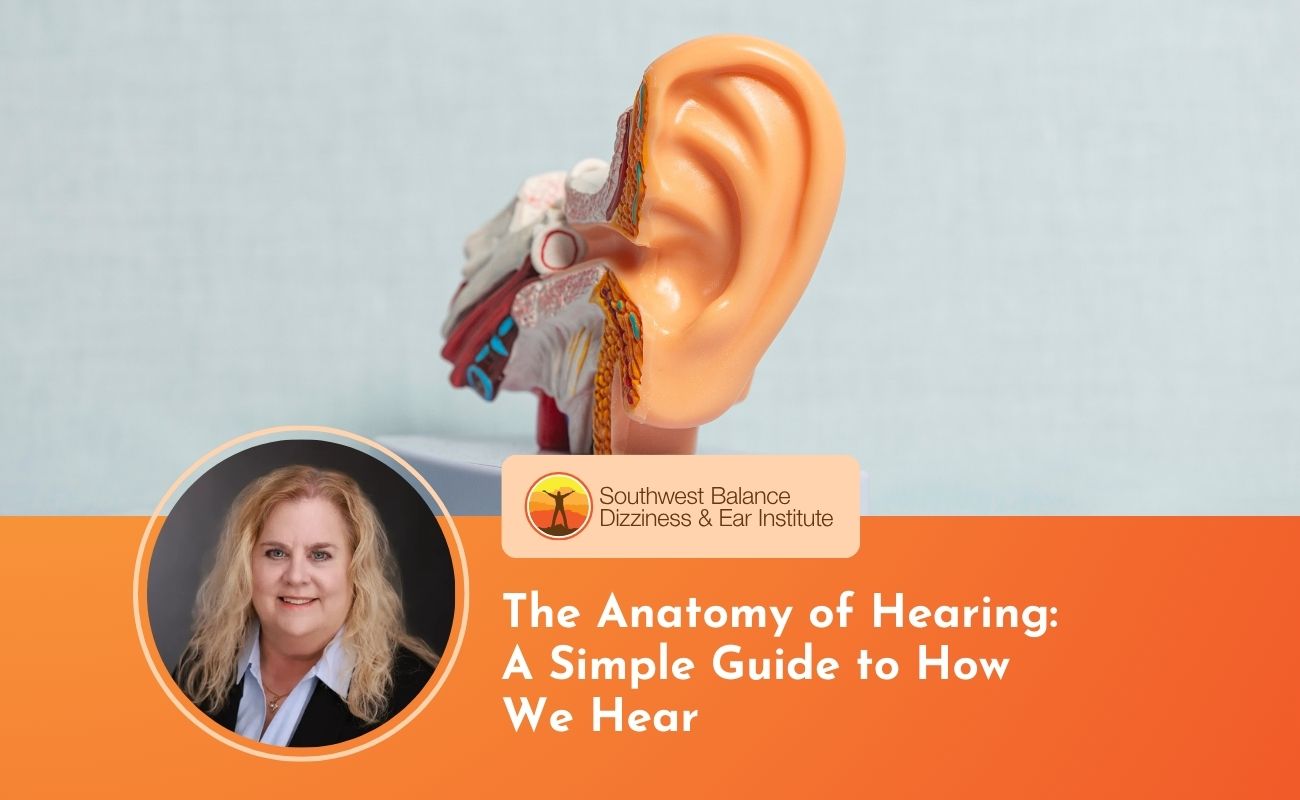
Your ability to hear the laughter of loved ones, enjoy your favorite music, or follow conversations in busy environments depends on a complex system working seamlessly together. Understanding how hearing works can help you recognize when something isn't functioning properly and why professional audiological care makes such a difference in treating hearing loss.
The Outer Ear: Where Sound Begins Its Journey
The visible part of your ear—called the pinna or auricle—does more than you might think. This curved structure acts like a satellite dish, collecting sound waves from your environment and funneling them into your ear canal. The unique shape helps you determine where sounds are coming from, which is why losing hearing in one ear can make it difficult to locate the source of noises.
The ear canal, a tube about one inch long, carries these sound waves toward your eardrum. Along the way, the canal produces cerumen (earwax), which protects your ear by trapping dust and debris. While earwax serves an important protective function, excessive buildup can block sound transmission and contribute to temporary hearing difficulties.
The Middle Ear: Amplifying the Signal
When sound waves reach the end of your ear canal, they strike the tympanic membrane—your eardrum. This thin, cone-shaped membrane vibrates in response to sound waves, converting air pressure changes into mechanical movement. The eardrum is remarkably sensitive, responding to even the faintest sounds.
Behind the eardrum lies an air-filled space containing three tiny bones collectively called the ossicles: the malleus (hammer), incus (anvil), and stapes (stirrup). These bones form a chain that transmits vibrations from the eardrum to the inner ear. The ossicles amplify sound by approximately 20 times, making soft sounds loud enough for the inner ear to detect.
The middle ear also connects to your throat through the Eustachian tube. This tube equalizes air pressure on both sides of the eardrum—that's why your ears "pop" when you change altitude. When the Eustachian tube doesn't function properly, fluid can accumulate in the middle ear, leading to conductive hearing loss.
The Inner Ear: Translating Vibrations into Signals
The inner ear houses two distinct systems: the cochlea for hearing and the vestibular system for balance. The stapes bone connects to the oval window, a membrane-covered opening that leads into the fluid-filled cochlea.
The Cochlea: Your Body's Sound Processor
The cochlea is a snail-shaped structure about the size of a pea, but its internal surface area is surprisingly large. Inside the cochlea are approximately 16,000 hair cells arranged along the basilar membrane, each responding to specific frequencies. High-frequency sounds stimulate hair cells near the base of the cochlea, while low-frequency sounds affect cells near the apex.
When the stapes pushes against the oval window, it creates waves in the cochlear fluid. These waves bend the stereocilia (tiny hair-like projections) on the hair cells. This bending action triggers electrical signals that travel along the auditory nerve to your brain.
Hair cells are delicate and don't regenerate once damaged. Exposure to loud noises, aging, certain medications, and various medical conditions can permanently destroy these cells, leading to sensorineural hearing loss—the most common type of permanent hearing impairment.
The Vestibular System: Maintaining Balance
While the cochlea handles hearing, the vestibular system manages your sense of balance and spatial orientation. This system includes three semicircular canals filled with fluid and lined with hair cells. As you move your head, the fluid shifts, bending the hair cells and signaling your brain about the direction and speed of movement.
The vestibular system also contains two structures called the utricle and saccule, which detect linear acceleration and gravity. These organs help you maintain posture and coordinate eye movements with head movements. At Southwest Balance, Dizziness & Ear Institute, we regularly diagnose and treat conditions affecting this system, including Benign Paroxysmal Positional Vertigo (BPPV), vestibular neuritis, and Meniere's disease.
The Auditory Pathway: From Ear to Brain
Once hair cells generate electrical signals, the auditory nerve carries this information to the brainstem. From there, signals travel through several processing stations before reaching the auditory cortex in your temporal lobe. This pathway involves both ears communicating with both sides of your brain, which is why unilateral (one-sided) hearing loss can still affect your overall hearing ability.
Your brain doesn't just passively receive sound information—it actively processes and interprets it. This involves filtering out background noise, recognizing speech patterns, identifying the location of sounds, and attaching meaning to what you hear. This processing capability is why two people with identical audiogram results might experience hearing differently in real-world situations.
When the System Breaks Down: Types of Hearing Loss
Understanding the anatomy of hearing helps explain the different types of hearing loss:
Conductive hearing loss occurs when sound can't efficiently travel through the outer or middle ear. This might result from earwax buildup, ear infections, fluid in the middle ear, or damage to the ossicles. This type often responds well to medical treatment or surgical intervention.
Sensorineural hearing loss happens when hair cells in the cochlea or the auditory nerve are damaged. This is the most common form of permanent hearing loss and typically requires hearing aids for correction. Age-related hearing loss (presbycusis) falls into this category, as does noise-induced hearing loss.
Mixed hearing loss involves both conductive and sensorineural components, requiring a comprehensive treatment approach.
Central auditory processing disorder (APD) doesn't involve hearing loss in the traditional sense—the ears work fine, but the brain struggles to interpret auditory information correctly. We specialize in diagnosing and treating APD at our practice, using advanced testing methods to identify specific processing weaknesses.
Why Professional Hearing Care Matters
Over-the-counter hearing devices have flooded the market, but they can't replace the expertise of trained audiologists. Proper hearing aid fitting requires understanding not just how loud you need sounds to be, but which specific frequencies need amplification based on your unique hair cell damage pattern.
At Southwest Balance, Dizziness & Ear Institute, we perform comprehensive hearing evaluations that typically take about two hours. This includes detailed medical history review, physical examination of your ears, and audiometric testing across multiple frequencies. We also conduct Real Ear Measurements during hearing aid fittings, which verify that the devices are providing the correct amount of amplification for your specific ear canal acoustics.
Modern hearing aids work with your auditory system rather than simply making everything louder. The latest models from manufacturers we offer—including Phonak Infinio, Starkey Omega AI, Oticon Intent, Signia IX and ReSound Vivia—use sophisticated processing to distinguish speech from noise, reduce feedback, and adapt automatically to different listening environments. These devices can't restore damaged hair cells, but they can optimize the signals reaching your brain, reducing listening effort and improving communication.
Protecting Your Hearing System
Your hearing system is sophisticated but vulnerable. Loud noise exposure remains one of the most preventable causes of hearing damage. Sounds above 85 decibels can damage hair cells with prolonged exposure, while extremely loud sounds (above 120 decibels) can cause immediate damage.
Certain medications (ototoxic drugs) can damage hearing structures, so always discuss potential hearing effects with your physician when starting new medications. Regular hearing evaluations become increasingly important after age 50, when age-related changes begin affecting most people.
If you experience sudden hearing loss in one or both ears, this constitutes a medical emergency requiring immediate attention. Prompt treatment within the first few days can sometimes prevent permanent damage.
Schedule Your Comprehensive Hearing Evaluation
Understanding how your hearing system works makes it clear why comprehensive professional care delivers better outcomes than self-directed approaches. At Southwest Balance, Dizziness & Ear Institute, our three doctors of audiology bring over 75 years of combined experience to every patient evaluation.
Whether you're experiencing hearing difficulties, balance problems, or simply want to establish baseline hearing measurements, we provide the thorough diagnostic testing needed to understand your unique auditory system. Our comprehensive approach means you'll receive accurate diagnosis and treatment recommendations tailored to your specific needs.
Contact our Phoenix office at (602) 265-9000 to schedule your hearing evaluation. Our clinic is located at 4004 N 7th St., Phoenix, AZ 85014, and we're open Monday through Friday, 9am to 5pm. Let us help you understand and protect one of your most valuable senses.

Request an appointment below.
Get in Touch
Conveniently located near the intersection of 7th Street and Indian School Road.

Southwest Balance, Dizziness & Ear Institute (formerly Arizona Balance & Hearing Aids)
4004 N 7th St.Phoenix, AZ 85014